
Parents today spend a lot of time thinking about online safety. Conversations often focus on cyberbullying, scams, or protecting personal information. Increasingly, however, another threat is emerging in digital spaces frequented by young people: extremist grooming through online exploitation.
This week, the Winnipeg Police Service was featured in a report examining how extremist networks are grooming, manipulating, and exploiting youth online. The piece highlights growing concerns from police, researchers, and prevention experts across the Prairies about the increasing reach of these groups and the very real risks they pose to children and teenagers.
Our own Constable Andrea Lefort, who specializes in extremism and terrorism investigations, spoke with CBC about the evolving threat landscape and the increasing number of cases involving young people. She noted that what begins online can quickly lead to real-world harm.

What Is Extremist Grooming Through Online Exploitation?
Extremist networks, such as the Com Network and the True Crime Community, often target vulnerable youth through social media platforms, messaging applications, and online gaming communities. Their goal is not simply to influence opinions. In many cases, individuals are manipulated through grooming, coercion, and extortion tactics designed to desensitize them to disturbing material and encourage real-world violent acts on themselves or others.
These groups actively seek out young people who may be experiencing loneliness, isolation, mental health challenges, or difficulties at home or school. After establishing trust, they may introduce increasingly disturbing content and attempt to isolate victims from supportive relationships.
What Parents and Caregivers Should Know
While technology continues to create opportunities for connection and learning, it is important for parents and caregivers to remain engaged in their children's online lives.
Some warning signs may include:
- Excessive secrecy about online activities
- Sudden changes in behaviour or personality
- Withdrawal from family and friends
- Exposure to hateful, violent, or extremist content
- Participation in unfamiliar online communities
- Fascination or consumption of content related to incidents of targeted violence
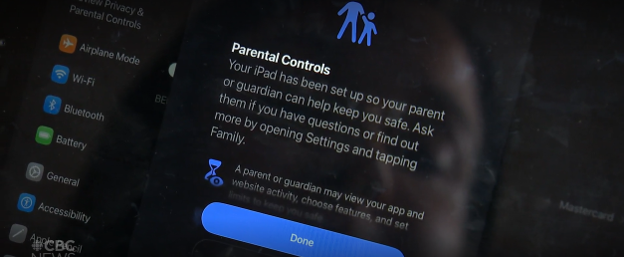
The most effective tool remains open communication. Regular conversations about online experiences can help young people recognize manipulative behaviour and seek help when something feels wrong.
Working Together to Prevent Harm
Addressing this behaviour requires a collaborative response involving families, schools, community organizations, researchers, technology platforms, and law enforcement.
The Winnipeg Police Service continues to work with local, provincial, and national partners to better understand emerging trends, support prevention efforts, and protect youth from online exploitation.
Informational presentations are available to educators, parents and caregivers, community groups and partner agencies. This presentation focuses on how youth can be targeted in online spaces through grooming, manipulation and escalating harm.
As these threats continue to evolve, early detection and education remain our strongest defenses. Awareness is an important first step in detecting the warning signs.
Request a Community Presentation
Learn More
We encourage parents, caregivers, educators, and community members to learn more about this issue by watching CBC's recent coverage.