
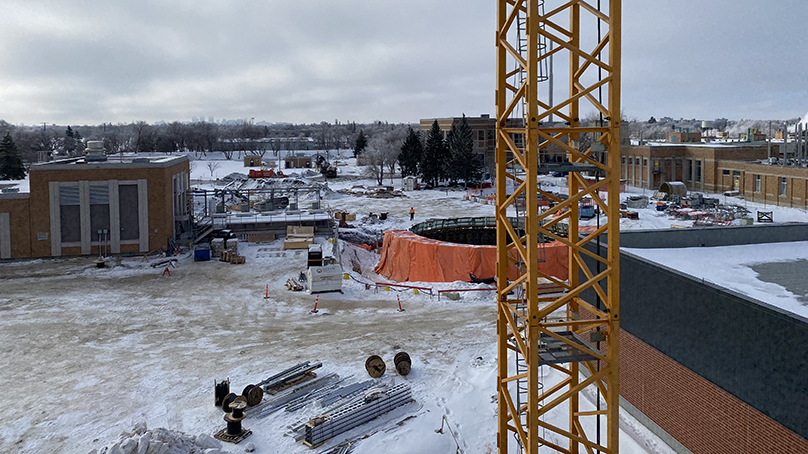
The North End Wastewater Treatment Plant upgrade is the largest capital project in Winnipeg’s history. It’s also one of the most important for our city’s future.
The plant, officially known as the North End Water Pollution Control Centre (NEWPCC), is more than 90 years old. It treats about 70 percent of our wastewater. It also treats 100 percent of the solids removed from the wastewater at all three of the City’s treatment plants.
“Right now, we can treat for our current population,” said Linda McCusker, the Winnipeg Sewage Treatment Program Project Director. “But in the not so far future, we're going to run out of capacity due to population growth and also new industries that are coming in.”
A race against time
Wastewater treatment capacity is expected to run out in approximately four to six years, or between 2030 and 2032. The existing infrastructure is also aging and at risk of failing. We’re working to ensure that doesn’t happen.
Every part of NEWPCC needs to be upgraded. This is being done in three projects, all while the plant is operating.
“These projects are very complex and we need to keep the plant working while we construct the new one,” said Lana Obach, the Biosolids Project Manager. “This is like we’re performing multiple organ transplants on a body. We need to keep the person alive while we replace the kidneys, liver, lungs, heart.”
In our case, the NEWPCC is the body and every critical component upgraded is a vital organ.
Significant investment in our future
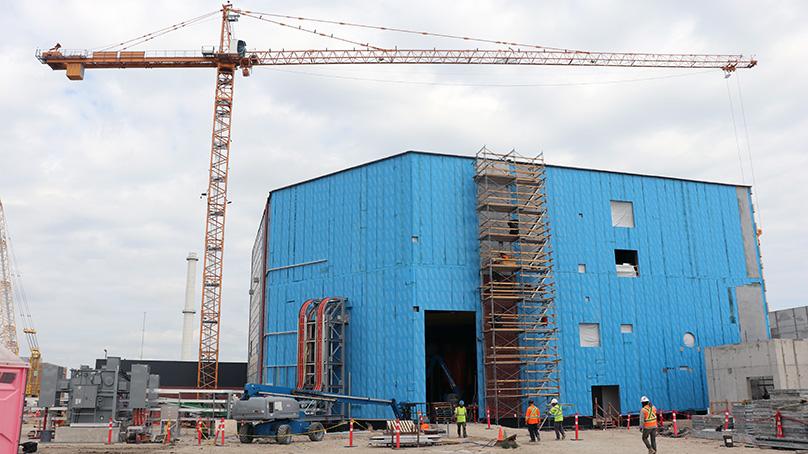
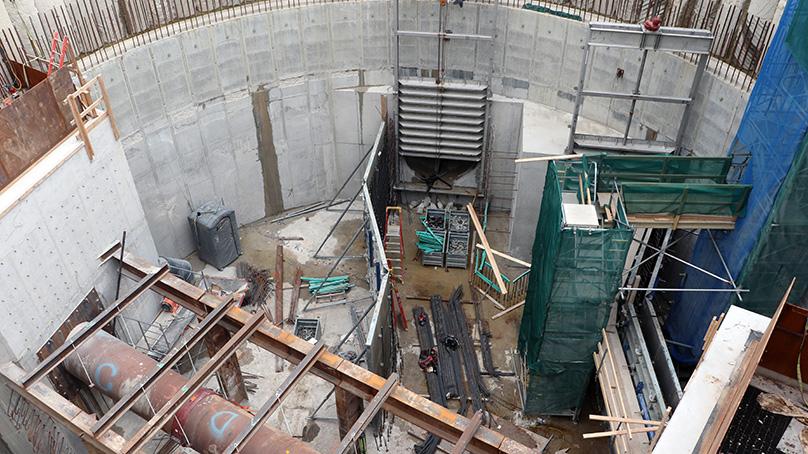
Project 1: Power Supply and Headworks Facilities is under construction and is scheduled to be completed this year. It included a new power substation and infrastructure to pump and screen wastewater coming into the plant for treatment. Its budget is $565 million.
Design is underway on Project 2: Biosolids Facilities. This project will deal with the solid part of sewage, like poop, fats, organics, and grease. We’re expected to start construction later this year. Its budget is $1.035 billion.
Project 3 is the Nutrient Removal Facilities and is currently in the procurement stage. This project will treat the liquid part of wastewater before it enters the river. It will help us meet our environmental licence requirements. It is being designed to accommodate growth of our city into the future. It has the largest budget at $1.57 billion.
With a total budget of over $3 billion, the NEWPCC upgrades are a significant investment in our city and future. We have been able to secure funding for the first two projects from the provincial and federal governments. Currently, there are no funding agreements for Project 3.
What’s at risk
The consequences of not completing Project 3 are severe.
A recent report about the economic and fiscal impact of NEWPCC upgrades was done by our economists. It found running out of wastewater capacity in 2032 would “effectively halt all population and employment growth” in Winnipeg.
In that scenario, the report found nearby municipalities could only absorb the growth for a couple years because they have their own wastewater capacity limits. It would result in Winnipeg’s economy being the slowest growing of any major Canadian city.
“Winnipeg’s growth depends on this project,” said Hazel Borys, Director of our Planning, Property and Development Department.
Without expanded wastewater capacity, new housing would stall, existing businesses may be unable to grow, and attracting new industries and developments would be difficult.
Completing Project 3 would prevent that outcome. With sufficient wastewater capacity, our economists project that between 2033 and 2050:
- Our city’s economy would grow by an additional 16.4 percent and gain $186 billion in GDP
- The labour force would increase by 91,000 people
- Winnipeg’s population would hit 1,009,300, instead of staying around 885,000
“Winnipeg’s growth plays a significant role in Manitoba’s economy, and ensuring we can continue to grow benefits the entire province,” said Borys.
Moving forward on Project 3
The Nutrient Removal Facilities project is critical for sustaining our city’s growth, competitiveness, and environmental stewardship.
Even without a funding agreement in place, we can’t delay work on it.
We’ve completed the first step of the Request for Proposals (RFP) process. This is the process where companies submit information to demonstrate that they can do the work. Three qualified companies were shortlisted for the next step of the RFP process.
Design and construction planning are expected to begin later this year. Full construction is expected to start in 2028.
Our City, Our Podcast
Engineers Linda McCusker and Lana Obach are on the team leading these upgrades. They joined Our City, Our Podcast to discuss why this massive project is critical for Winnipeg. This episode was released in February 2026.

Sign up for the Our City Newsletter
We have a lot going on at the City that can affect your daily lives. Stay up-to-date on what is happening by signing up for the Our City Newsletter, emailed each Friday.