
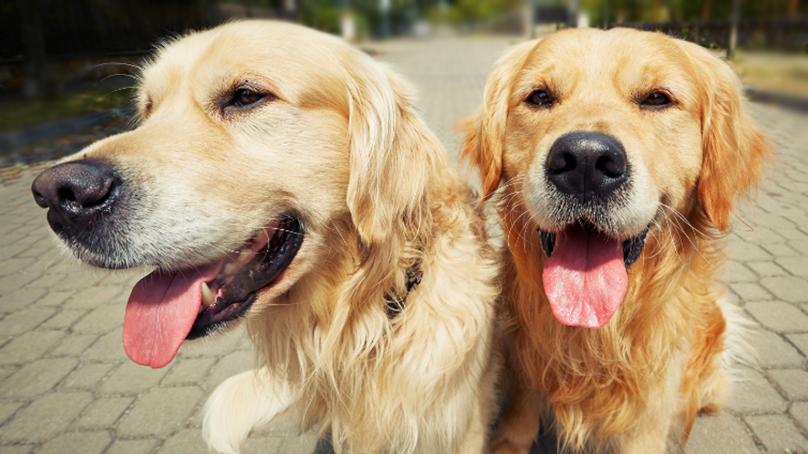
The heat is on. While some of summer’s best adventures are shared with our pets, hot weather can be dangerous for our four-legged companions.
Daily walks, road trips, patio visits, and other enriching adventures can be great for dogs, but can carry hidden risks.
Be a responsible pet owner
Vehicles can heat up quickly in the sun and become dangerously warm in just minutes.
Having a dog means you must follow the Responsible Pet Ownership By-law. When the temperature is 22°C or above, it’s against the by-law to leave a dog in a vehicle.
Cycling with your dog tethered to a bicycle or something similar is also not allowed in the same weather.
Not only could you get a ticket, but more importantly, it can put your pet’s health and safety at risk.
Ways to keep your pet comfortable in hot weather
While the air can feel hot, surfaces under your feet can be even hotter. Sidewalks, asphalt, and other pavement can be dangerous for paws.
Before heading out, do the ‘five-second test’ first. Put the back of your hand on the surface for five seconds. If you can’t comfortably do that, it’s too hot for your pet’s paws. Instead, choose grass, shaded pathways, or walk during the cooler parts of the day like the early morning or evening.
If you are heading out, keep fresh water available and encourage regular hydration. This is especially important during walks, hikes, or long outdoor outings. If you’re on the go, consider bringing a portable water bottle or bowl.
Many businesses welcome companion animals, while others do not. If your furry sidekick is tagging along while you run errands, plan your stops ahead of time. Remember, you should never leave them waiting unattended in a vehicle.
Spot the warning signs
Just like it’s important to recognize the warning signs of heat-related illness in humans, you also need to know what to look for with your dog. Here are some signs your pet may be overheating:
- Excessive panting
- Heavy drooling
- Weakness
- Lethargy
- Difficulty walking
- Unusual behavior
If you suspect your pet is overheating or experiencing heatstroke, move them to a cool area and seek veterinary care as quickly as possible.
It’s important to care for all members of our households and stay mindful of the risks extreme weather can pose to our pets.