
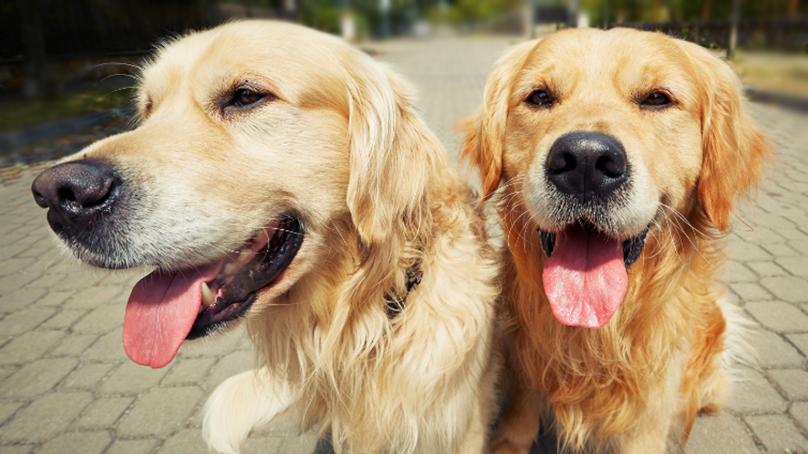
La chaleur est au rendez-vous. Bien que nous partagions certaines des plus belles aventures de l’été avec nos animaux de compagnie, la chaleur peut représenter un danger pour nos compagnons à quatre pattes.
Les promenades quotidiennes, les voyages en voiture, les sorties sur la terrasse et autres aventures enrichissantes peuvent être très agréables pour les chiens, mais elles comportent aussi parfois des risques latents.
Soyez un propriétaire d’animal responsable
Les véhicules peuvent se réchauffer rapidement au soleil et atteindre des températures dangereuses en quelques minutes seulement.
Si vous possédez un chien, vous devez respecter le Responsible Pet Ownership By-law (règlement municipal sur la possession responsable d’animaux de compagnie). Selon ce règlement, il est interdit de laisser un chien dans un véhicule lorsque la température atteint 22 °C.
Faire du vélo avec un chien attaché au vélo ou à un dispositif similaire est également interdit dans ces mêmes conditions météorologiques.
Vous risquez non seulement de recevoir une contravention, mais surtout de compromettre la santé et la sécurité de votre animal de compagnie.
Assurez le confort de votre animal par temps chaud
L’air peut paraître chaud, mais les surfaces au sol peuvent atteindre des températures encore plus élevées. Les trottoirs, l’asphalte et autres revêtements peuvent être dangereux pour les pattes de votre animal de compagnie.
Avant de sortir, appliquez d’abord la règle des cinq secondes. Posez le dos de votre main sur la surface pendant cinq secondes. Si vous ne pouvez pas le faire sans inconfort, c’est trop chaud pour les pattes de votre animal. Optez plutôt pour l’herbe ou les chemins ombragés et promenez votre chien durant les périodes les plus fraîches de la journée, comme tôt le matin ou en soirée.
Si vous sortez, apportez de l’eau fraîche et encouragez votre chien à s’hydrater régulièrement, surtout lors des promenades, des randonnées ou des longues sorties en plein air. Si vous vous déplacez, pensez à apporter une bouteille d’eau ou un bol portable.
Plusieurs commerces acceptent les animaux de compagnie, alors que d’autres ne les acceptent pas. Si vous emmenez votre compagnon poilu pendant vos courses, planifiez vos arrêts. N’oubliez pas que vous ne devez jamais laisser votre animal seul dans un véhicule.
Repérez les signes avant-coureurs
Tout comme chez les humains, il est essentiel de savoir reconnaître les signes avant-coureurs d’une maladie liée à la chaleur chez votre chien. Voici certains signes pouvant indiquer que votre animal a trop chaud :
- Halètement excessif
- Bave abondante
- Faiblesse
- Langueur
- Difficulté à marcher
- Comportement inhabituel
Si vous soupçonnez que votre animal a trop chaud ou souffre d’un coup de chaleur, emmenez-le dans un endroit frais et consultez un vétérinaire dès que possible.
Il est important de prendre soin de tous les membres de notre foyer et de rester conscient des risques que les conditions météorologiques extrêmes peuvent présenter pour nos animaux de compagnie.