
While we’ve had a warmer than usual fall, we know a Winnipeg winter is coming our way, eventually.
Taking the time now to prepare for the drop in temperatures and snowy conditions can mean less stress later in the season.
Here are a few things you should add to the to-do list before the cold really settles in.
Check your sump pump hose
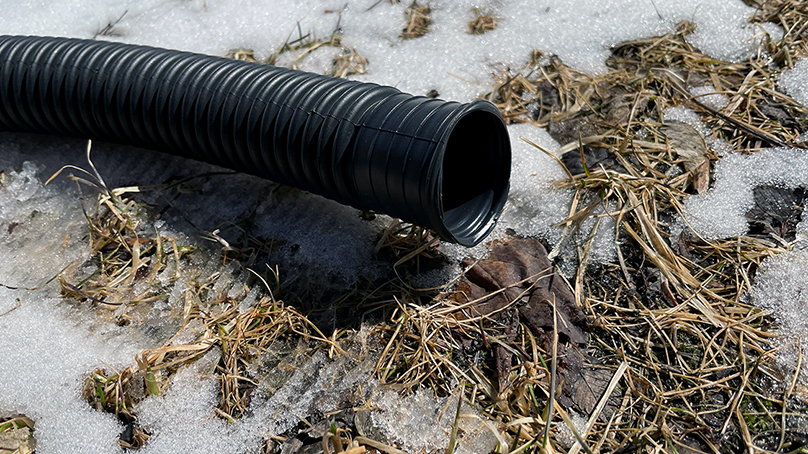
If your home has a sump pump, you’ll want to make sure it is discharging properly. This means it is pushing water out on to your property, away from the foundation and any hard surfaces.
Never point your sump pump hose towards your neighbours, sidewalks, streets, back lanes or boulevards. It’s illegal and you could receive a sump pump violation notice. The water will also freeze, creating a hazard for you and the public
Prepare your water pipes
If you have water taps outside, make sure they are turned off for winter. If left on when it’s cold, the pipes and faucets could freeze or even burst.
You’ll have to shut off the water supply from the turnoff value. Then drain the taps for a minute or two to make sure there is no water left in the pipes. Contact a licensed plumber if you aren’t sure where to find the turnoff valve.
Make sure to also disconnect any garden hoses.
Inside your home, you’ll want to take a few steps to prevent the internal water pipes from freezing. Check for air leaks around electrical outlets, dryer vents, and pipes. Sealing the air leaks with caulking or insulation will help keep cold air away from your pipes.
Set your thermostat to at least 12°C. We also recommend opening any cabinet doors that cover uninsulated pipes so warm air can reach them. Consider using foam pipe covers to insulate pipes where it could be difficult to keep the temperature at 12°C, such as in a garage, crawl space, or basement.
Tune up your home heating system
When the temperatures plunge, you’ll want to make sure your furnace can handle it. Have it serviced by a certified technician so any issues are fixed before you need it. You should do the same thing for your chimney if you have one.
If your furnace does stop working, remember to never use a fuel-powered generator indoors. You will risk getting carbon monoxide poisoning. Generators should also never be used in an open garage or in a confined space outdoors.
Make sure to also regularly check that your home’s vents aren’t blocked by snow and ice through the winter. Confirm your carbon monoxide and smoke alarms are also working
Make sure your 72-hour kit is stocked
Emergencies and prolonged power outages can happen. Having a 72-hour emergency kit will help you while you wait for help to reach you.
The kit should be filled with things like water, foods that don’t require cooking, flashlights, candles, waterproof matches, and more. Prescription medicine, important personal documents, and extra keys should be easily accessible.
While we hope you’ll never need to use your kit, being prepared can help ease some of the stress if you were faced with an emergency.
Pack a storm survival kit
Hitting the road? Always check the weather forecast and road conditions first. Follow all travel advisories and never drive on a closed road.
Keep a winter storm survival kit in your vehicle, too. It should have extra clothes, blankets, food, flares, gloves, first aid supplies, and more.
It’s also a good idea to keep your gas tank full.
Learn more about how to be prepared
If you want more information about how to be ready for an emergency, check out the August 2024 episode of Our City, Our Podcast. We're joined by Mike Olczyk, the Emergency Management Coordinator from our Office of Emergency Management.
His job is to make sure our city is ready.
Find the episode on all podcasting platforms or listen using the player below.
Sign up for the Our City Newsletter
We have a lot going on at the City that can affect your daily lives. Stay up-to-date on what is happening by signing up for the Our City Newsletter, emailed each Friday.