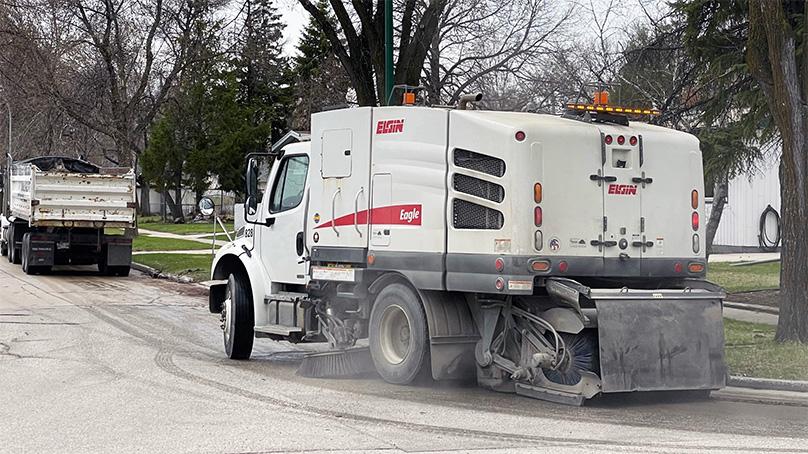
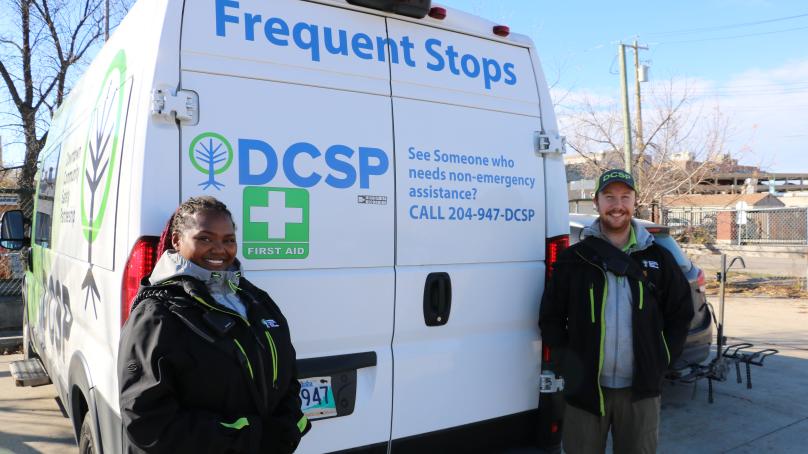
I want to... ReportAnimal concernsRoad, curb, lane, bridge and sidewalk maintenanceMissed recycling, garbage or yard waste collectionSanding on streets & sidewalksPotholes on city streetsCrime reportingParking violationApply/RegisterPermits OnlinePermits & licencesTax Instalment Payment Plan (TIPP)Pet licence updateLeisure GuideCriminal record checkPayContest a parking ticketPurchase or renew a pet licenceBylaw penalty noticeParking ticketTaxesUtility billView/FindProperty assessment searchAddress informationCouncil & Committees schedule of meetingsTransit schedules & plan a tripJob postingsRecycling, garbage & yard waste collection dayLane closures Upcoming buses Street/cross-street of stop, or 5-digit stop number Not sure which stop or route to take?Plan your trip with Navigo or find a bus stop.Features Yard waste collectionYard waste collection starts April 29 in collection area A and May 6 in collection area B Annual bicycle auctionApril 25–May 2 Spring cleanupAvoid a ticket and tow, check the interactive residential streets cleanup status map Book your tee times nowCrescent Drive, Kildonan Park, and Windsor Park golf courses are now open for the season. Free programs - Spring 2024Drop in and join the fun! Adopt a dogView adoptable dogs from Animal ServicesOur City, Our Stories Increased coordination between the City of Winnipeg and Downtown Community Safety Partnership helps ensure the right resources are sent to help those in needApril 23, 2024 Tips to make spring cleaning a little easierApril 22, 2024 Events More storiesView all eventsApril 22, 2024Tips to make spring cleaning a little easierApril 18, 2024Winnipeg Fire Paramedic Service launches emergency vehicle pre-emption pilotApril 17, 2024What WFPS Communications Operators want you know when calling 9-1-1April 12, 2024City honoured with prestigious public relations award for Lord Roberts Community Traffic StudyPopular topics Careers at the City Welcoming Winnipeg Road construction
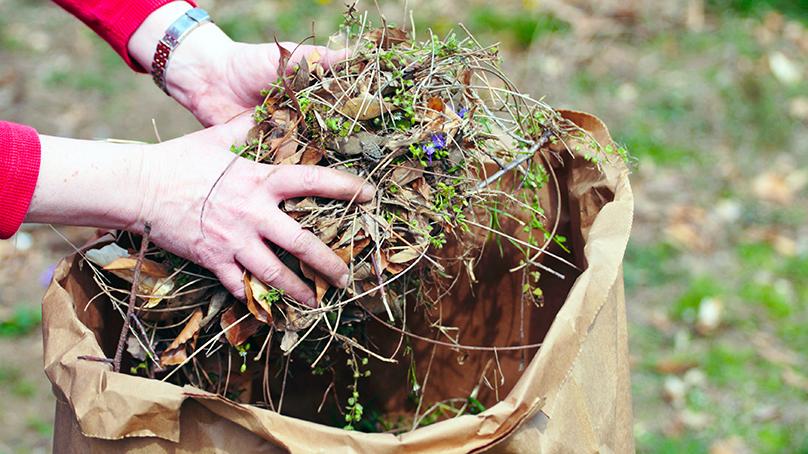
Yard waste collectionYard waste collection starts April 29 in collection area A and May 6 in collection area B
Book your tee times nowCrescent Drive, Kildonan Park, and Windsor Park golf courses are now open for the season.